O absorvente higiênico representa mais de um século de inovação em materiais e cuidados com a saúde. Como um produto essencial para o dia a dia das mulheres, sua segurança sempre foi uma grande preocupação. Das dúvidas sobre o "algodão de coração negro" aos rumores sobre agentes fluorescentes, diversas questões influenciam as escolhas das consumidoras. Então, como os absorventes higiênicos evoluíram até os dias de hoje? Como a indústria responde às preocupações comuns com a segurança?
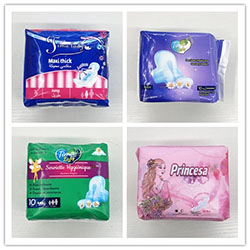
I. Uma Breve História da Evolução
O protótipo do absorvente higiênico moderno surgiu durante a Primeira Guerra Mundial, quando enfermeiras americanas que serviam na França usaram bandagens envoltas em algodão medicinal para criar produtos menstruais descartáveis. Após a guerra, o algodão de fibra altamente absorvente, usado em cuidados médicos nos campos de batalha, passou a ser utilizado por civis. Em 1921, foi lançado o primeiro absorvente higiênico descartável comercial.
Posteriormente, tecnologias-chave continuaram a avançar: em 1929, foi lançado o tampão com aplicador e, em 1969, a tecnologia de revestimento autoadesivo tornou os absorventes higiênicos mais convenientes de usar.
A indústria de absorventes higiênicos na China começou na década de 1980. Em 1991, os absorventes higiênicos com abas foram introduzidos na China, melhorando a vedação; no ano seguinte, os protetores diários entraram no mercado, enriquecendo a gama de produtos.
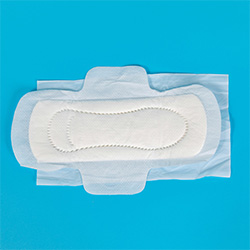
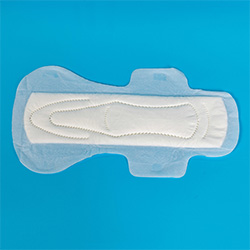
Atualmente, os absorventes higiênicos estão disponíveis em diversas categorias: pela camada superficial — malha seca, algodão macio e
absorventes higiênicos de algodão puro
; por núcleo absorvente — compósito de polpa de celulose tradicional, núcleo compósito e novos absorventes higiênicos líquidos que utilizam polímeros absorventes porosos; e por tipo — tamanho regular,
absorventes higiênicos com abas
e estilo calça.
II. Estrutura Central
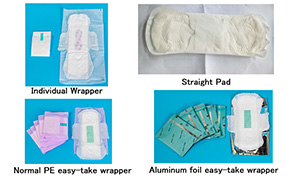
Um absorvente higiênico é, na verdade, um composto de múltiplas camadas de materiais, incluindo principalmente: tecido não tecido, celulose, polímero superabsorvente, filme de polietileno, adesivo termofusível e materiais elásticos. A celulose e o polímero superabsorvente atuam em conjunto para absorver e reter os fluidos.
Os produtos padrão geralmente possuem uma estrutura de quatro camadas: uma camada superior hipoalergênica para rápida penetração; uma camada de distribuição para espalhar o fluido uniformemente; um núcleo absorvente para reter a umidade; e uma camada inferior à prova de vazamentos para evitar infiltrações. Recursos como barreiras laterais 3D e bordas seladas aumentam ainda mais a confiabilidade da proteção.
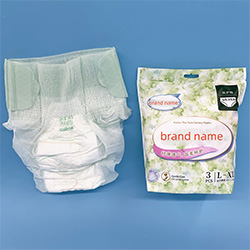
absorventes higiênicos estilo calça
Adicione cós elástico e punhos nas pernas para uma proteção mais completa.
III. Abordando C
Conceitos errôneos comuns
Em resposta às preocupações comuns de segurança, a indústria fornece as seguintes explicações com base em normas científicas:
-
Celulose virgem de polpa macia vs. "Algodão de coração negro"
A polpa de celulose usada em absorventes higiênicos é feita de polpa de madeira natural, proveniente de árvores como pinheiros e abetos. Ela passa por processos de cozimento e purificação em alta temperatura, em conformidade com as normas nacionais. "Algodão de má qualidade" refere-se a fibras recicladas de qualidade inferior, proibidas e que fabricantes renomados jamais utilizariam.
-
Impacto do valor do pH
O ambiente vaginal possui uma forte capacidade regulatória própria. Como produto externo, o absorvente higiênico não altera o estado levemente ácido normal da vagina.
-
Fenômeno de fluorescência
Algumas matérias-primas contêm substâncias fluorescentes naturais, que podem aparecer sob luz ultravioleta. Isso não significa que agentes branqueadores fluorescentes migratórios proibidos tenham sido adicionados. Avaliar a segurança com base apenas na fluorescência não é científico.
-
Formaldeído e impurezas residuais
As normas nacionais impõem limites rigorosos ao teor de formaldeído. Os produtos qualificados apresentam risco mínimo. Traços de impurezas existem em quantidades extremamente pequenas e não afetam a segurança quando dentro dos limites permitidos.
-
Ambiente de produção e insetos vivos
A produção moderna emprega linhas de montagem automatizadas e fechadas com processamento em alta temperatura e sistemas de inspeção visual, além de rigorosas medidas de controle de pragas. A probabilidade de insetos vivos em produtos acabados é extremamente baixa. Os casos relatados pelos consumidores geralmente estão relacionados a armazenamento inadequado, transporte incorreto ou condições inadequadas de armazenamento doméstico.
IV. Como escolher
Para fazer uma escolha científica entre inúmeros produtos, tenha em mente os seguintes pontos:
-
Verifique a embalagem
Produtos legítimos devem exibir claramente informações como nome do produto, fabricante, ingredientes, número da licença sanitária e data de validade. Evite produtos sem rotulagem adequada.
-
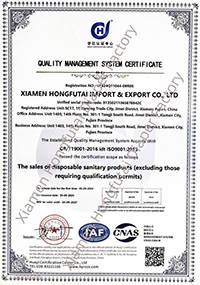
Considere as credenciais corporativas
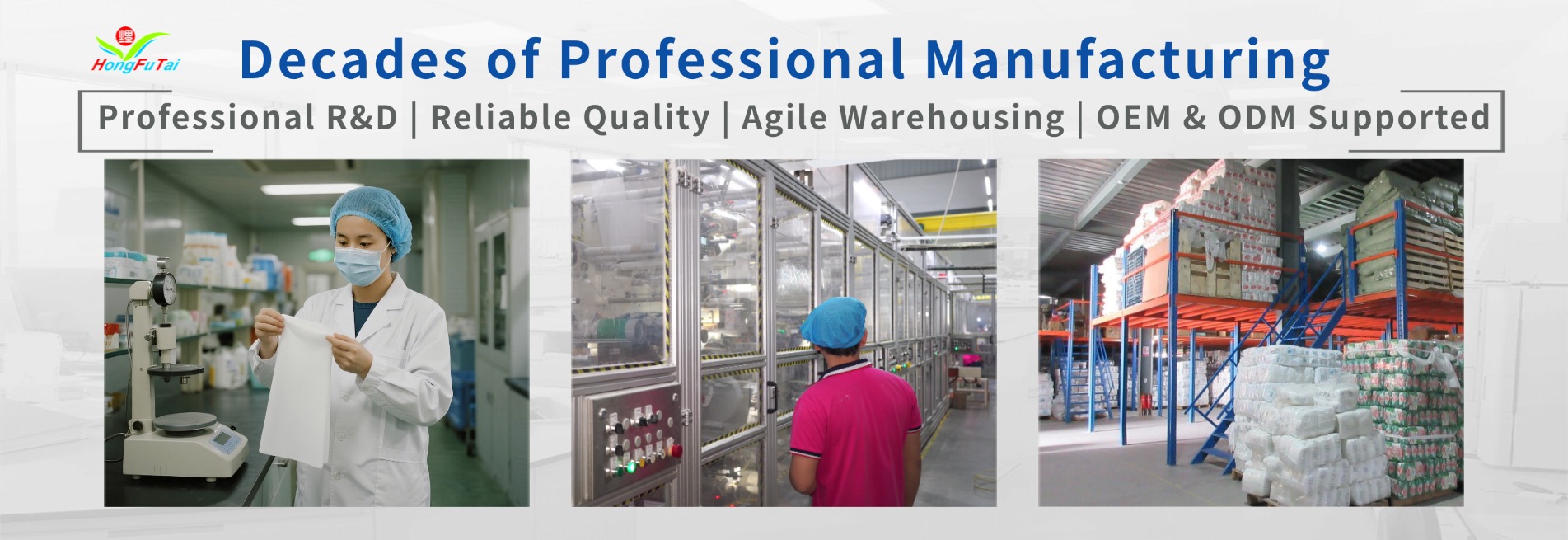
Dê prioridade a marcas com certificações completas, linhas de produção avançadas e sistemas rigorosos de controle de qualidade.
-
Utilização e armazenamento
Recomenda-se trocar os absorventes higiênicos a cada 2 a 3 horas para evitar a proliferação de bactérias. Armazene os produtos em local seco e limpo e utilize-os o mais rápido possível após a abertura para evitar umidade e mofo.
Após décadas de desenvolvimento, a indústria chinesa de absorventes higiênicos alcançou padrões internacionais em tecnologia e qualidade de fabricação. O setor continuará inovando e aprimorando o controle de qualidade para oferecer às mulheres soluções de cuidados menstruais seguras, confortáveis e confiáveis.
 IPv6 rede suportada